
Best 50 Varanasi Tour Package for Joint Families , Joint family travel to Varanasi represents more than a vacation—it embodies shared spiritual aspirations, strengthened bonds across generations, and collective cultural experiences. When grandparents, parents, and children journey together to India’s spiritual capital, the trip creates lasting memories while honoring ancestral traditions. However, coordinating travel for 15-25 family members requires specialized tour packages addressing diverse needs, varied physical abilities, and complex logistics while maintaining the joy and togetherness that makes joint family travel meaningful.
Why Varanasi Appeals to Joint Families
Best 50 Varanasi Tour Package for Joint Families , Varanasi holds unique significance for multi-generational Indian families. For elders, visiting this sacred city often fulfills lifetime pilgrimage dreams, offering spiritual merit and religious completion. Middle-aged family members appreciate the cultural heritage, architectural marvels, and historical depth. Young adults seek authentic experiences and Instagram-worthy moments. Children discover mythology coming alive, learning family religious traditions in their most vibrant setting.
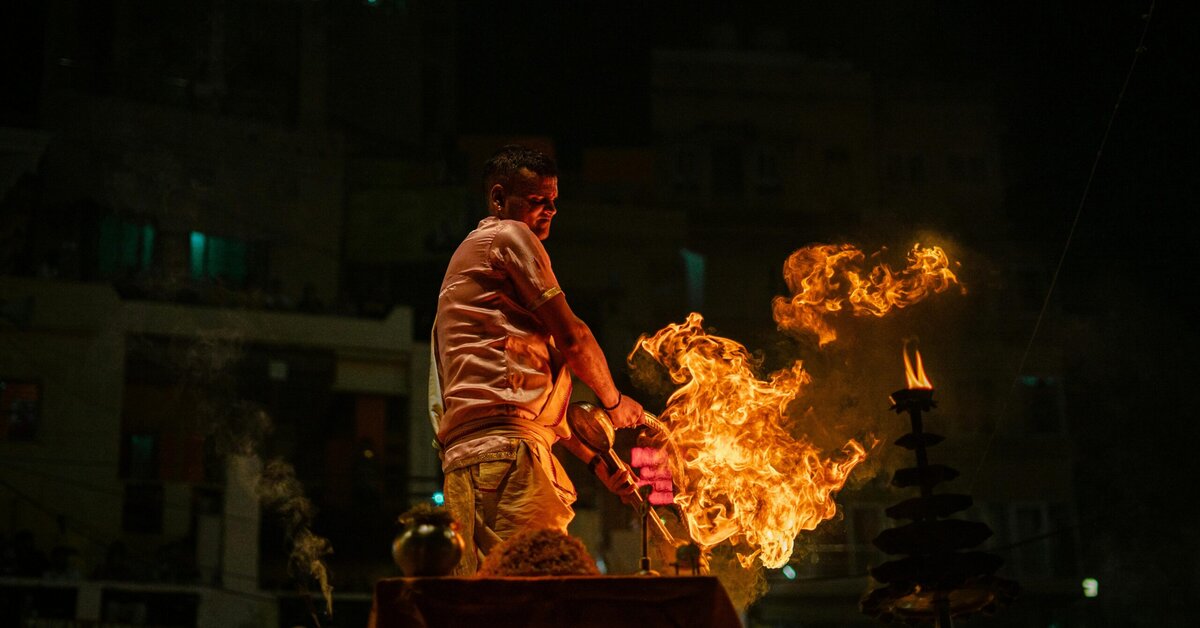
The city’s spiritual atmosphere naturally brings families closer. Witnessing Ganga Aarti together, elders sharing stories about temple significance while grandchildren listen, and collective participation in rituals create bonding opportunities that daily life rarely provides. Joint families traveling together also make economic sense—shared transportation, bulk accommodation bookings, and group meal arrangements reduce per-person costs significantly while enabling experiences that individual families might find prohibitively expensive.
Essential Package Components for Joint Families
Best 50 Varanasi Tour Package for Joint Families , Successful joint family packages require specific elements addressing group complexity.
Multiple Vehicle Coordination Joint families typically need two to three vehicles depending on total numbers. A common arrangement combines a Tempo Traveler (12-17 passengers) for the bulk of the family with an Innova or similar sedan for smaller groups or those needing different pacing. Vehicles should travel in coordination with walkie-talkies or phone communication between drivers preventing separation in Varanasi’s chaotic traffic.
Package operators should provide a lead coordinator riding in the first vehicle who communicates with all drivers, ensuring synchronized stops and departures. This prevents the frustration of families fragmenting across the city with some waiting hours while others tour.
Accommodation Block Bookings Joint families need multiple rooms in the same hotel, preferably on the same floor or adjacent areas. Package operators should negotiate block bookings securing 6-10 rooms simultaneously. Interconnected rooms or family suites benefit families with young children who want proximity to grandparents. Hotels with common lounges or courtyards enable families to gather outside individual rooms.
Properties offering event spaces prove valuable—many joint families celebrate birthdays, anniversaries, or special occasions during trips. Hotels accommodating private group dinners, prayer gatherings, or small celebrations add significant value.
Flexible Sub-Group Options Not everyone has identical interests or capabilities. Packages should facilitate splitting into sub-groups—perhaps grandparents visiting temples with some family members while others take children to BHU campus or shopping areas, reuniting for major experiences like evening aarti. This requires multiple guide availability or coordinator flexibility managing different groups simultaneously.
Special Dietary Arrangements Joint families often include diverse dietary needs—elderly members requiring bland preparations, diabetics needing controlled carbohydrates, children wanting familiar foods, and various religious dietary observances (strictly vegetarian, Jain food, specific fasting requirements). Package operators should partner with restaurants capable of customized group menus accommodating these variations without requiring separate meals at different establishments.
Sample Joint Family Itinerary
A well-designed four-day/three-night package balances collective experiences with flexibility for varying pace preferences.
Day 1: Arrival and Orientation Staggered airport/railway pickups accommodate families arriving on different schedules. Afternoon check-in allows rest after travel. Early evening includes a gentle family orientation walk at nearby accessible ghats like Assi Ghat, where open spaces accommodate large groups comfortably. Welcome dinner at the hotel or nearby restaurant features introductory Varanasi cuisine in mild preparations. Evening family meeting reviews the upcoming itinerary, discusses individual preferences, and establishes communication protocols.
Day 2: Spiritual Immersion Sunrise boat rides in multiple coordinated boats allow the entire family to experience dawn on the Ganges together—a trip highlight for most joint families. Post-breakfast, the group splits based on capabilities: one group visits Kashi Vishwanath Temple’s interior (if Hindu), while another explores the exterior and surrounding areas with less physical demands. Mid-day return allows lunch and crucial afternoon rest.
Late afternoon visits Sankat Mochan Temple and Durga Temple before converging for the evening Ganga Aarti at Dashashwamedh Ghat. Reserved elevated viewing platforms or multiple coordinated boats accommodate the entire family with good visibility. Post-aarti family dinner at a restaurant with private section allows sharing the day’s spiritual experiences.
Day 3: Cultural and Educational Exploration Morning explores Banaras Hindu University’s expansive campus—wide roads and open spaces suit large groups, and elders can remain in vehicles while younger members walk areas of interest. The campus Vishwanath Temple and Bharat Kala Bhavan museum offer cultural depth. Lunch at campus cafeteria or nearby restaurant provides authentic local dining.
Afternoon visits Sarnath’s Buddhist heritage sites—the peaceful atmosphere and relatively flat terrain suit mixed-age groups. The Archaeological Museum and Dhamek Stupa provide educational value for children while holding spiritual significance for elders. Evening free time allows shopping, personal activities, or optional experiences like classical music performances or silk weaving demonstrations based on sub-group interests.
Day 4: Temple Circuit and Departure Morning visits remaining temples—Tulsi Manas Temple’s serene environment and accessible layout suit families with varying mobility. Final ghat visit for photographs and personal reflection at the Ganges. Checkout with flexibility for different departure schedules—some family members might leave morning flights while others remain until evening, requiring coordinated but flexible transportation.
Managing Multi-Generational Dynamics
Joint family travel succeeds when acknowledging and accommodating generational differences.
Respecting Elder Authority and Comfort In traditional joint families, elders often expect consultation on major decisions and deference to their preferences. Tour coordinators should direct primary communication through family heads or designated decision-makers rather than fielding contradictory requests from multiple family members. Elders’ comfort—rest periods, dietary needs, mobility support—should receive priority planning even while ensuring younger members remain engaged.
Engaging Middle Generations Parents and middle-aged family members often handle logistical coordination, mediating between elder expectations and younger preferences. Acknowledge their role by consulting them on practical matters while deferring to elders on spiritual/cultural priorities. Providing them occasional breaks from child-supervision responsibilities (grandparents spending time with grandchildren) proves appreciated.
Keeping Children and Young Adults Engaged Younger family members might not initially share elders’ spiritual enthusiasm. Packages should incorporate elements appealing to them—boat rides inherently excite children, allowing them to feed fish and watch river activity. BHU campus provides open spaces where children can move freely between structured activities. Silk weaving demonstrations fascinate many young people. Building photography walks or heritage exploration appeals to young adults. Framing experiences as family adventures rather than purely religious obligations increases engagement across generations.
Budget Considerations for Large Groups
Joint family packages present interesting financial dynamics. Total costs seem high—INR 4,50,000-7,00,000 for comprehensive four-day packages accommodating 20-25 people—but per-person costs (INR 18,000-28,000) remain quite reasonable given inclusions.
Cost Distribution Models Families handle payment differently. Some pool resources with each nuclear family contributing equally. Others have primary earners covering costs as family gifts. Some collect from working members while elders and children don’t contribute. Establish clear payment understanding with tour operators about who settles bills and when, avoiding awkward situations.
Group Discounts and Negotiations Large groups command significant negotiating power. Operators often reduce per-person costs by 15-25% for groups exceeding 15 people. Hotel block bookings secure better rates. Restaurants provide group menus at lower per-plate costs. Transportation economies of scale reduce per-person vehicle expenses. Collectively these savings make joint family travel remarkably cost-effective.
Optional Experience Pricing Build packages with core experiences included but optional add-ons priced separately. This allows family members to choose based on individual interest and contribution ability without pressure. Some might opt for classical music evening performances while others prefer free time. Some want private pujas while others skip these. Individual choice within group structure respects autonomy while maintaining togetherness.
Practical Logistics for Large Groups
Smooth large-group travel requires attention to operational details.
Communication Systems Establish a family WhatsApp group specifically for trip coordination. Share daily itineraries each morning, post meeting points and timings, and enable quick headcounts. Designate family members responsible for specific sub-groups—someone tracks children, another ensures elders are comfortable, another manages luggage during transitions.
Meeting Protocols Large groups inevitably experience stragglers. Establish firm departure times with understanding that vehicles leave punctually. Habitual latecomers shouldn’t delay entire groups. Coordinators can arrange alternate transport for those missing group departures, preventing resentment from punctual members.
Medical Preparedness Joint families typically include members with various health conditions. Designate one family member maintaining medical information for everyone—medications, conditions, allergies, emergency contacts. Carry a comprehensive medical kit. Identify family members with medical training who can handle minor situations. Know locations of quality hospitals and keep emergency numbers readily accessible.
Cultural and Spiritual Considerations
Joint family pilgrimage packages should facilitate rather than merely accommodate religious observances.
Ritual Facilitation Many joint families wish to perform collective pujas, Ganga Aarti participation, or specific ceremonies. Quality packages include coordinator relationships with knowledgeable priests who can conduct appropriate rituals, explaining significance and guiding proper participation. This transforms casual tourism into meaningful spiritual practice.
Generational Knowledge Transfer Frame temple visits and ritual participation as opportunities for elders to transmit religious knowledge to younger generations. Encourage grandparents to explain mythology, share family traditions, and discuss spiritual significance. These conversations often prove as valuable as the sites themselves, strengthening family identity and continuity.
Accommodation of Varying Devotion Levels Joint families invariably include spectrum from deeply devout to casually religious members. Structure experiences allowing both intensive spiritual engagement and lighter participation without judgment. Those wanting extended temple time or additional rituals should have facilities while others can engage more casually.
Conclusion
Joint family tours to Varanasi represent investments in family bonds, cultural continuity, and collective memory creation. While logistics appear daunting when coordinating 20+ people across three generations, specialized tour packages transform complexity into shared adventure. The spiritual energy of Varanasi, combined with togetherness, creates alchemy where elderly fulfill spiritual aspirations, parents strengthen family connections, and children develop cultural roots—all while building memories transcending individual experiences. With thoughtful planning, capable operators, and family cooperation, these tours become landmark events families recall for generations, strengthening the very bonds that make joint families special.
Frequently Asked Questions
1. What is the ideal group size for a joint family tour to Varanasi, and does size affect package quality?
Ideal joint family tour sizes range from 15-25 members, balancing group cohesion with manageability. Smaller groups (10-15) maintain flexibility and easier coordination but reduce per-person cost benefits from group discounts. Larger groups (25-35) maximize economy of scale but face logistical challenges—restaurant seating capacity, vehicle coordination, and ensuring nobody gets separated in crowded areas. Beyond 30 members, quality can suffer unless operators provide multiple coordinators and highly structured organization. Very large joint families might consider splitting into two coordinated groups traveling together but maintaining separate operational management. Package quality depends less on size than operator experience with large groups. Specialists in joint family tourism understand dynamics and have refined systems managing complexity. When evaluating operators, ask specifically about their largest successfully managed groups and request references from similar-sized families. Size itself doesn’t determine success—proper planning, experienced coordination, and appropriate resource allocation do.
2. How do we handle situations where family members have different interests or want different pacing without causing conflict?
Successful joint family tours build flexibility into structured itineraries specifically anticipating divergent interests. The solution lies in planned sub-grouping rather than forcing uniformity. Designate core “whole family” experiences where everyone participates together—sunrise boat ride, main evening aarti, family dinners. These typically comprise 40-50% of activities, creating shared memories and togetherness. Remaining time allows sub-group options: elders focusing on temple visits with interested family members while others explore markets, museums, or campus areas; those wanting intensive spiritual experiences spending extended time at temples while others take shorter visits; young adults getting photography walks or heritage tours while children visit more interactive spaces. The key is normalizing these divisions as enrichment rather than family fragmentation. Assign a coordinator or family member to each sub-group ensuring everyone has support. Reunite regularly—lunch, dinner, evening gatherings—to share experiences. This approach respects individual preferences while maintaining family cohesion. Communicate these expectations during pre-trip planning so nobody feels excluded when sub-grouping occurs naturally.
3. What accommodation arrangements work best for joint families, and how do we ensure rooms are allocated fairly?
Joint families need accommodation balancing togetherness with necessary privacy. Ideal arrangements include: interconnected family suites for nuclear families with young children wanting proximity to grandparents; adjacent rooms on the same floor enabling easy visiting without long walks; properties with common areas (courtyards, lounges, rooftop spaces) where families gather outside individual rooms. Avoid spreading families across multiple floors or buildings—proximity matters for cohesion. Regarding allocation, establish principles before booking preventing perceived favoritism: elders often receive ground-floor or elevator-accessible rooms with best facilities; larger nuclear families get bigger rooms; rooms with special features (balconies, better views) might rotate if staying multiple nights or allocate based on who covered costs. The family member coordinating bookings should present allocation plans transparently, explaining rationale. Most families accept reasonable criteria applied consistently. Consider rooms with extra beds or sofas accommodating flexible sleeping—perhaps grandchildren spending nights with grandparents occasionally. Some hotels offer dormitory-style family rooms where 6-8 members share large spaces—these suit tight-knit families comfortable with less privacy but should be optional, not imposed. Booking early ensures room availability and preferred configurations.
4. How can we ensure elderly family members participate fully without being exhausted or left behind?
Elderly participation requires proactive planning rather than reactive accommodation. Build comprehensive rest periods into daily schedules—mid-day breaks of 2-3 hours are non-negotiable, allowing elders to nap while younger members rest or pursue independent activities. Start days early when seniors typically have most energy, frontloading major activities before afternoon fatigue sets in. Arrange chair-carrying services (dolis) at ghats with steep steps, eliminating concerns about managing stairs. Select accessible temples and viewing platforms requiring minimal physical exertion—many significant spiritual experiences don’t require difficult navigation. For boat rides and aarti viewing, provide comfortable seating rather than expecting elders to stand or sit on hard surfaces for extended periods. Ensure vehicles have adequate space and cushioning—cramped seating over potholed roads causes discomfort accumulating throughout trips. Assign younger family members as “elder buddies,” each responsible for specific senior members’ comfort, hydration, and pacing. This distributes responsibility while ensuring nobody gets overlooked. Most importantly, empower elders to skip activities without guilt when tired—their presence at priority spiritual events matters more than attending everything. Frame rest as enabling better participation in important experiences rather than missing out.
5. What happens if family members have conflicts or someone becomes seriously ill during the tour?
Address conflicts immediately through designated family representatives rather than involving coordinators in internal dynamics. Appoint respected family members as mediators handling interpersonal issues privately. Tour coordinators should focus on logistics and external arrangements, not family counseling. Most conflicts arise from fatigue, heat, and close-quarters stress—built-in rest periods and sub-group flexibility prevent many problems preemptively. Establish ground rules before travel: respect punctuality, communicate needs directly, assume positive intent, and prioritize collective experience over individual preferences. For serious illness, comprehensive medical protocols are essential. Designate a family member with medical knowledge as health coordinator carrying comprehensive information about everyone’s conditions and medications. Quality tour operators maintain relationships with reputable hospitals and can arrange immediate doctor visits or emergency care. The tour coordinator facilitates medical logistics—transportation to hospitals, communication with medical staff, arranging for family members to stay with the ill person while others continue touring. Travel insurance covering pre-existing conditions is mandatory for all elderly participants. If illness requires one family member remaining behind with the patient, the tour should continue for others—canceling benefits nobody and the ill person typically wants family to proceed. Operators should have policies addressing these situations: partial refunds for significantly curtailed experiences, assistance rebooking travel for those staying behind, and flexible arrangements accommodating changed circumstances without penalty.




[…] through comprehensive itineraries with transparent pricing that simplifies budget planning for larger parties. Starting from ₹5,499 per person for groups of eight or more, our Essential Two-Day Group […]